Vaginal pH is one of the key parameters’ for optimal health and wellness of women.
Simply put – Vaginal pH means the acidity maintained and to be critically maintained in the vagina for prevention of infections.
Normal, healthy women have ACIDIC pH and the normal range of vaginal pH is 3.8 to 4.5 but even more preferrable range is 3.8 to 4.2 for optimal women’s health
It is increasingly realized that Vaginal pH Values serve as an early and inexpensive indicator for potential health problems.
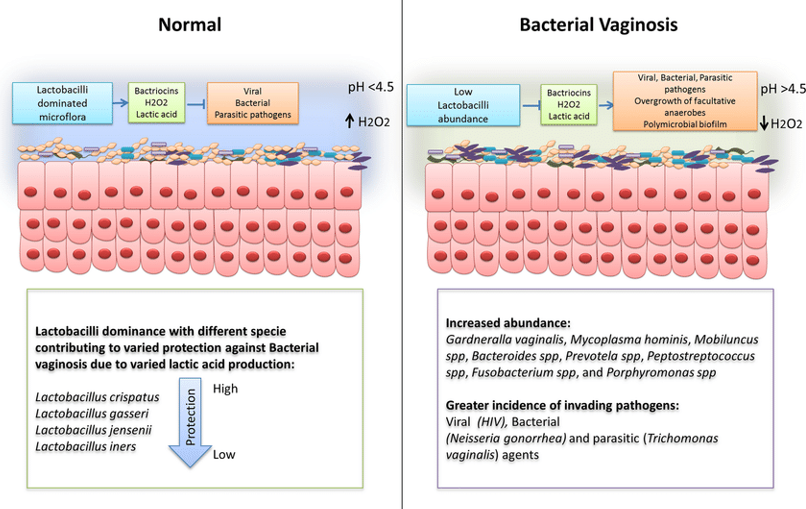
The common vaginal microbiome, the Lactobacilli species, can produce acidic pH and bacteriocins to kill other bacteria in the vagina.
Lactobacilli can produce an acidic environment in the vagina, which is designed to protect women from sexually transmitted pathogens and opportunistic infections.
Vaginal Microflora Imbalance
Mucosal colonization
Preservation of mucus
Competition for epithelial cell attachment sites
Competition for nutrients
Mucosal colonisation
Mucus damage caused by glycosidase- producing anaerobes
Adhesion to epithelial cells
Production of antimicrobial substances
Lactic acid, H O , bacteriocins, etc.
Production of Noxious substances
Polyamines, etc
Immuno-modulation
Inflammatory immune response
Pro-inflammatory cytokines IL-1b and IL-6
*most common vaginal infection with incidence varying from 25-30% globally including pregnant women (CDC)
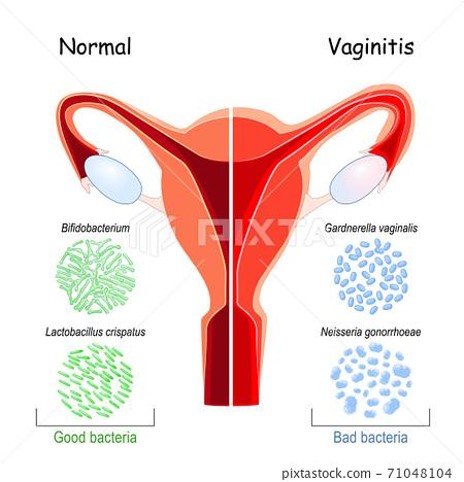
If these normal flora such as Lactobacilli are absent or significantly reduced, the vaginal ecosystem becomes imbalanced, and other microorganisms or bacteria inside vagina become overgrown, leading to a condition called vaginitis.
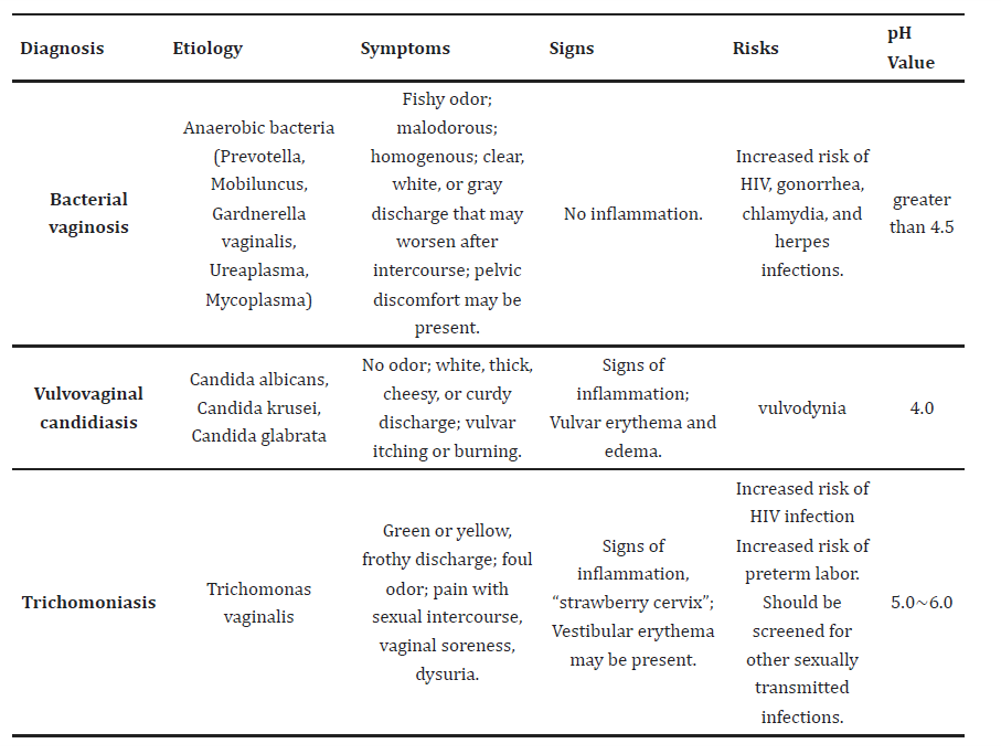
Vaginitis has different types, including bacterial vaginosis (BV), vaginal candidiasis, trichomoniasis, and aerobic vaginitis
Vaginitis - Bacterial Vaginosis
In today’s world, 75% of all women worldwide have had vaginitis at least once in their lives. The vagina has a dynamic microbial ecosystem with varying vaginal pH levels. An imbalance in that ecosystem can alter the vaginal pH and tip the scale to the point of causing issues, such as vaginitis, that require medical attention.
Importance of Normal Vaginal Microflora along the reproductive cycle !!!!
BEFORE
STD, PID, RTIs
FERTILIZATION
Pro-inflammatory cytokines
Sperm motility and viability
PREGNANCY
Amniotic fluid infection
Chorioamnionitis, Late miscarriage
Premature rupture of the membranes
Virus reactivation (Cytomegalovirus, HSV)
AFTER
Neonatal infection
Mastromarino et al., Ind J Med Res, 2014
Most Common Types of Vaginitis and Symptoms
Association with INFERTILITY;
META-ANALYSIS
Every 1 in 5 infertile women suffers from BV.
Nearly 40% infertile women show signs of BV-related abnormal microflora.
Evidence
BV Stacks the Odds in Favour of Infertility
The Odds
Prevalence of BV are 3.3. times higher among infertile women
In tubal infertility, its 2.7 times higher
Preclinical Pregnancy Loss are 2.3 times higher with BV
Noortje van Oostrum et al. Risks associated with bacterial vaginosis in infertility patients: a systematic review and meta-analysis, Human Reproduction, Volume 28, Issue 7, July 2013, Pages 1809–1815
NextGen Pharma
is conducting clinical trials to assess the efficacy of Flora-Balance in the treatment of Infertility and Improving Outcomes of IVF*
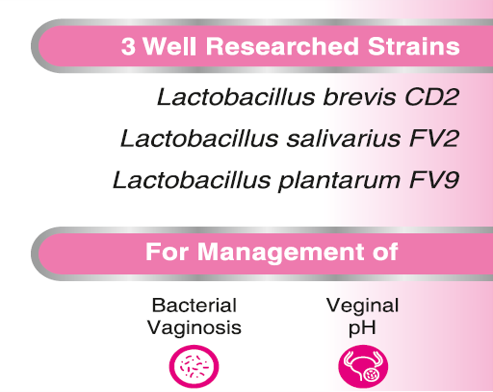
FloraBALANCE® contains 3 Well Researched, Live Strains of:
FloraBALANCE® is a Unique, locally Acting, Vaginal Tablet containing 3 Strains of Lactobacilli for restoration of Healthier vaginal Microflora and correcting Vaginal Dysbiosis